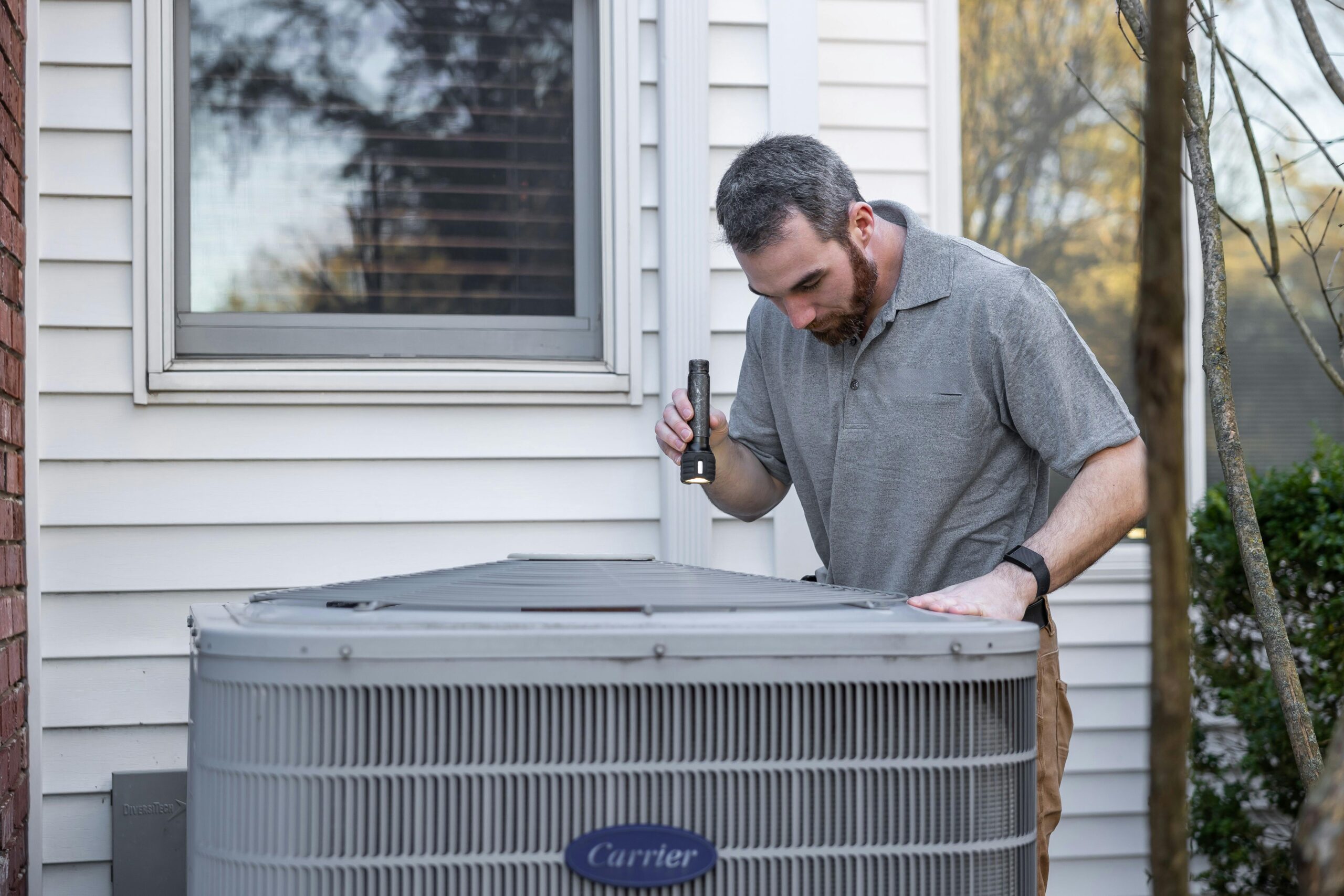

Insurance claims are sometimes denied or limited because damage is attributed to improper repairs rather than a covered event. This can be frustrating, especially when repairs were made in good faith or by a professional.
Understanding how insurance treats improper repairs, when coverage may be affected, and what insurers look for helps explain many denied or partially paid claims.
What Are Improper Repairs in Insurance?
Improper repairs refer to repairs that were performed incorrectly, incompletely, or not up to reasonable standards, resulting in additional damage or failure.
Examples include:
- Faulty plumbing repairs causing leaks
- Poor roof repairs leading to water intrusion
- Incorrect electrical work causing damage
- Temporary fixes left in place long-term
Insurance focuses on how the damage occurred, not the intent behind the repair.
Does Insurance Cover Damage Caused by Improper Repairs?
In most cases, insurance does not cover damage caused by improper repairs.
This is because:
- Improper repairs are considered preventable
- They are often linked to maintenance or workmanship issues
- Policies generally exclude faulty workmanship
Even comprehensive policies usually limit or exclude coverage for repair-related failures.
Why Insurance Policies Exclude Improper Repairs
Improper repair exclusions exist to:
- Prevent insurance from covering poor workmanship
- Encourage proper maintenance and repairs
- Limit insurer exposure to avoidable losses
Insurance is designed to cover unexpected events, not mistakes or shortcuts in repairs.
Improper Repairs vs Resulting Damage
This distinction is important.
- Improper repair itself: usually not covered
- Resulting sudden damage: may be covered in some cases
For example:
- Faulty plumbing work → not covered
- Sudden water damage caused by that failure → sometimes covered
Coverage depends on policy language and how the damage occurred.
How Insurers Determine Whether Repairs Were Improper
Insurance companies evaluate repair quality by reviewing:
- Inspection reports
- Contractor assessments
- Repair invoices
- Photos showing workmanship issues
- Expert or engineering opinions
If damage is traced back to improper repairs, coverage may be limited or denied.
How Improper Repairs Affect Insurance Claims
Claims involving improper repairs may result in:
- Claim denial
- Partial payment
- Claim closure without payment
This is especially common when damage develops over time or could have been prevented.
For claim outcome context, see:
Why Was My Insurance Claim Denied? Common Reasons Explained
Insurance Claim Closed Without Payment: What It Means and Why It Happens
Improper Repairs vs Wear and Tear vs Gradual Damage
Improper repairs often overlap with other exclusions.
- Wear and tear: normal aging
- Gradual damage: damage over time
- Improper repairs: faulty workmanship
Claims may involve more than one factor.
Related reading:
- Does Insurance Cover Wear and Tear? What Policies Usually Exclude
- Does Insurance Cover Gradual Damage? How Policies Usually Treat It
Improper Repairs and Coverage Conditions
Some policies require:
- Reasonable maintenance
- Prompt and proper repairs
- Prevention of further damage
Improper repairs may violate coverage conditions.
For condition context, see:
Insurance Coverage Conditions Explained: Why Coverage Can Be Lost
Can Insurance Ever Pay When Improper Repairs Are Involved?
In limited situations, insurance may pay for:
- Sudden resulting damage
- Damage unrelated to the repair defect
However, the cost of fixing the improper repair itself is usually excluded.
Why Improper Repair Claims Are Disputed
Disputes arise because:
- Repairs may appear adequate at first
- Damage may surface later
- Responsibility may be unclear
InsuranceLore focuses on explaining these gray areas so coverage decisions are easier to understand.
Key Takeaway
Insurance policies generally do not cover damage caused by improper repairs because it is considered preventable and related to workmanship or maintenance. While resulting sudden damage may sometimes be covered, the faulty repair itself is usually excluded. Understanding this helps explain many claim denials and partial payments.
InsuranceLore explains insurance coverage clearly so readers understand why certain losses are excluded.